
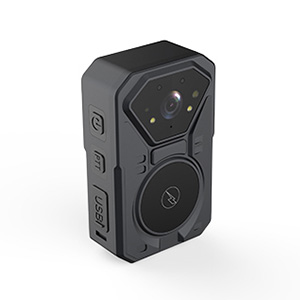
# Body-Worn Cameras: Enhancing Transparency and Accountability in Law Enforcement
## The Rise of Body-Worn Cameras in Policing
In recent years, body-worn cameras (BWCs) have become an increasingly common tool for law enforcement agencies worldwide. These small devices, typically attached to an officer’s uniform, record audio and video interactions between police and the public. The adoption of this technology has sparked important conversations about police accountability, transparency, and community relations.
## How Body-Worn Cameras Work
BWCs are designed to be lightweight and unobtrusive, with most models weighing less than 4 ounces. They typically feature:
– High-definition video recording
– Night vision capabilities
– Automatic activation in certain situations
– Secure data storage systems
– Long battery life for extended shifts
Most agencies have policies governing when officers must activate their cameras, often during all public interactions, traffic stops, arrests, and other law enforcement activities.
## Benefits of Body-Worn Camera Implementation
Keyword: body worn camera
The use of BWCs offers several significant advantages:
### Increased Transparency
Video footage provides an objective record of police-citizen encounters, helping to resolve disputes about what occurred during an incident. This transparency can build trust between law enforcement and the communities they serve.
### Improved Officer Accountability
Knowing their actions are being recorded often leads officers to adhere more strictly to protocols and de-escalation techniques. Studies have shown reductions in use-of-force incidents and complaints against officers when BWCs are implemented.
### Enhanced Evidence Collection
Video evidence can be invaluable in criminal investigations and prosecutions. It provides clear documentation of suspect statements, officer observations, and crime scene conditions that might otherwise be subject to interpretation.
## Challenges and Considerations
While BWCs offer many benefits, their implementation isn’t without challenges:
### Privacy Concerns
Recording interactions raises questions about when and where recording is appropriate, particularly in sensitive situations or private residences. Agencies must balance transparency needs with individual privacy rights.
### Data Management
The vast amount of video data generated requires robust storage solutions and clear policies about retention periods. This can represent a significant financial burden for departments.
### Policy Development
Effective BWC programs require comprehensive policies addressing when to record, how long to store footage, who can access it, and under what circumstances it can be released to the public.
## The Future of Body-Worn Cameras
As technology advances, we can expect to see:
– Integration with other law enforcement technologies
– Improved facial recognition capabilities
– Real-time streaming capabilities
– Automated redaction tools for privacy protection
– Artificial intelligence applications for evidence analysis
While BWCs are not a panacea for all policing challenges, when implemented thoughtfully with proper policies and community input, they represent a powerful tool for enhancing police accountability and building public trust. Their continued evolution will likely play a significant role in shaping the future of law enforcement practices.