
# Body-Worn Cameras: Enhancing Transparency and Accountability in Law Enforcement
## The Rise of Body-Worn Cameras in Policing
In recent years, body-worn cameras (BWCs) have become an increasingly common tool for law enforcement agencies worldwide. These small devices, typically attached to an officer’s uniform, record audio and video interactions between police and the public. The adoption of this technology has sparked important conversations about police transparency, accountability, and public trust.
## How Body-Worn Cameras Work
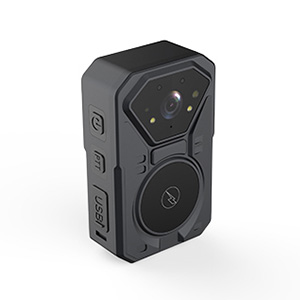
Modern BWCs are compact, lightweight devices that can be easily mounted on an officer’s chest, shoulder, or sunglasses. They feature:
– High-definition video recording capabilities
– Night vision for low-light situations
– Wide-angle lenses to capture broader scenes
– Automatic activation in certain situations
– Cloud-based storage for evidentiary purposes
Most systems include pre-event recording, which saves footage from before the official activation, ensuring critical moments aren’t missed.
## Benefits of Body-Worn Camera Implementation
The primary advantages of BWCs include:
### Increased Transparency
Video evidence provides an objective record of police-public interactions, reducing disputes about what occurred during an incident.
### Improved Officer Accountability
Knowing they’re being recorded often leads officers to adhere more strictly to protocols and de-escalation techniques.
### Enhanced Public Trust
Communities often report feeling more confident in police interactions when they know encounters are being recorded.
### Better Evidence Collection
BWCs capture crucial details that might be missed in written reports, strengthening criminal cases.
## Challenges and Considerations
While BWCs offer significant benefits, their implementation isn’t without challenges:
### Privacy Concerns
Recording in sensitive situations (homes, medical emergencies) raises privacy issues that departments must address through clear policies.
### Data Management
The massive amount of video data requires secure storage solutions and protocols for retention and access.
### Policy Development
Agencies must establish comprehensive guidelines covering when to record, how long to store footage, and who can access it.
### Cost Factors
The expense of equipment, storage, and personnel training can be substantial for some departments.
## The Future of Body-Worn Camera Technology
Emerging developments in BWC technology include:
– Facial recognition capabilities (with appropriate privacy safeguards)
– Automatic activation during weapon draws or elevated voices
– Integration with other smart policing technologies
– Improved battery life and data compression
– Real-time streaming capabilities for critical situations
As technology advances, BWCs will likely become more sophisticated while maintaining their core purpose: creating a transparent record of police-public interactions.
## Conclusion
Keyword: body worn camera
Body-worn cameras represent a significant step forward in modern policing, offering benefits for both law enforcement and the communities they serve. While not a panacea for all police-community relations challenges, when implemented thoughtfully with clear policies, BWCs can serve as powerful tools for accountability, evidence collection, and building public trust. As the technology continues to evolve, its role in shaping 21st-century policing will undoubtedly expand.