
本身
html
Police Bodycams: Enhancing Transparency and Accountability
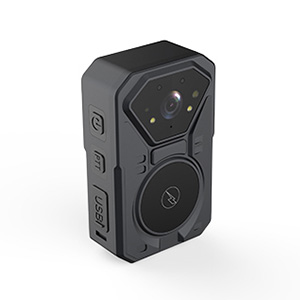
In recent years, the use of body-worn cameras (bodycams) by police officers has become a significant topic of discussion in law enforcement and public policy. These small devices, typically attached to an officer’s uniform, record interactions between police and the public, providing an objective account of events. The adoption of bodycams aims to enhance transparency, accountability, and trust between law enforcement agencies and the communities they serve.
The Benefits of Police Bodycams
One of the primary advantages of bodycams is their ability to provide an unbiased record of police encounters. Unlike eyewitness accounts, which can be subjective or unreliable, video footage offers a clear and factual representation of events. This can be invaluable in resolving disputes, investigating complaints, and ensuring that both officers and civilians are held accountable for their actions.
Additionally, bodycams have been shown to reduce the use of force by police officers. Knowing that their actions are being recorded often encourages officers to adhere more closely to protocols and de-escalation techniques. Similarly, civilians may also behave more responsibly when aware they are being filmed, leading to fewer confrontations.
Challenges and Concerns
Despite their benefits, the use of bodycams is not without challenges. Privacy concerns are a major issue, as recordings may capture sensitive or personal moments. Striking a balance between transparency and privacy is crucial, and policies must be in place to determine when and where footage can be recorded, stored, and shared.
Another challenge is the cost associated with implementing bodycam programs. The expenses include not only the cameras themselves but also data storage, maintenance, and personnel to manage the footage. Smaller police departments, in particular, may struggle with these financial burdens.
The Future of Bodycams in Policing
As technology continues to evolve, so too will the capabilities of bodycams. Future advancements may include features like real-time streaming, facial recognition, and improved audio quality. However, these innovations must be carefully regulated to prevent misuse and protect civil liberties.
Keyword: bodycams
Ultimately, the goal of bodycams is to foster trust and accountability in policing. While they are not a panacea for all issues in law enforcement, they represent a meaningful step toward greater transparency and justice. As more agencies adopt these devices, it will be essential to continually evaluate their impact and refine their use to serve the public effectively.
In conclusion, police bodycams are a powerful tool for promoting accountability and building trust between law enforcement and communities. By addressing the challenges and leveraging the benefits, we can create a safer and more just society for all.