
# Body-Worn Cameras: Enhancing Transparency and Accountability in Law Enforcement
## The Rise of Body-Worn Cameras in Modern Policing
In recent years, body-worn cameras (BWCs) have become an increasingly common tool in law enforcement agencies worldwide. These small, wearable devices record interactions between police officers and the public, providing an objective record of events that can be crucial for investigations, training, and public trust.
## How Body-Worn Cameras Work
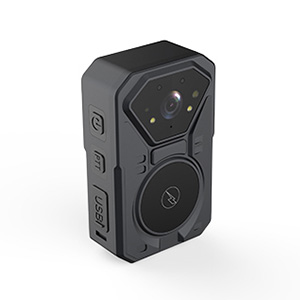
BWCs are typically attached to an officer’s uniform, usually on the chest or shoulder area. They capture both video and audio of police-public interactions. Most modern devices feature:
– High-definition video recording
– Night vision capabilities
– Long battery life
– Secure data storage
– Automatic activation features
## Benefits of Body-Worn Cameras
The implementation of BWCs has shown numerous advantages for both law enforcement and communities:
### Increased Transparency
BWCs provide an unbiased account of police interactions, helping to clarify what actually occurred during incidents. This transparency can build public trust in law enforcement agencies.
### Improved Officer Accountability
Knowing they’re being recorded often encourages officers to adhere more strictly to protocols and best practices, potentially reducing instances of misconduct.
Keyword: body worn camera
### Enhanced Evidence Collection
Video footage from BWCs can serve as valuable evidence in criminal cases, often providing clearer documentation than written reports alone.
### Reduced Complaints Against Officers
Studies have shown that the presence of BWCs can lead to fewer complaints against police officers, as both officers and civilians tend to modify their behavior when aware they’re being recorded.
## Challenges and Considerations
While BWCs offer many benefits, their implementation isn’t without challenges:
### Privacy Concerns
Recording interactions raises questions about when cameras should be activated and how footage should be stored and accessed, particularly in sensitive situations.
### Data Management
The vast amount of video data generated requires robust storage solutions and clear policies about retention periods and access protocols.
### Cost Implications
Implementing a BWC program involves significant expenses, including equipment costs, data storage, and personnel to manage the system.
## Best Practices for BWC Implementation
For successful BWC programs, law enforcement agencies should consider:
– Developing clear policies on when and how cameras should be used
– Providing comprehensive officer training
– Establishing protocols for data storage and access
– Engaging with community stakeholders during implementation
– Regularly reviewing and updating policies based on experience
## The Future of Body-Worn Cameras
As technology advances, we can expect BWCs to incorporate features like:
– Live streaming capabilities
– Facial recognition (with appropriate safeguards)
– Integration with other law enforcement technologies
– Improved battery life and storage capacity
While not a panacea for all policing challenges, body-worn cameras represent a significant step forward in enhancing transparency, accountability, and trust between law enforcement and the communities they serve.