
html
LAL Gel Clot Assays for Endotoxin Detection
Endotoxins, also known as lipopolysaccharides (LPS), are a major concern in pharmaceutical and medical device manufacturing. Their presence can lead to severe immune responses in patients, making accurate detection critical. Among the various methods available, LAL Gel Clot Assays remain a widely used and reliable technique for endotoxin detection.
What Are LAL Gel Clot Assays?
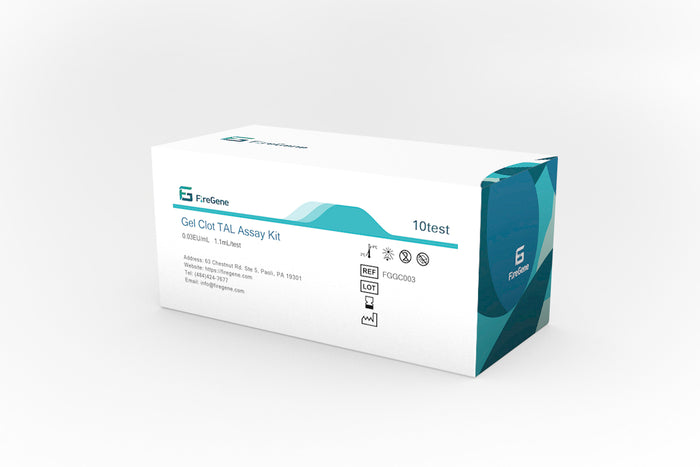
The Limulus Amebocyte Lysate (LAL) Gel Clot Assay is a qualitative or semi-quantitative test that detects endotoxins based on the clotting reaction of horseshoe crab blood. When endotoxins come into contact with LAL reagent, a gel clot forms, indicating their presence. This method is highly sensitive and specific, making it a gold standard in many industries.
How Do Gel Clot Assays Work?
The process involves several key steps:
- Sample Preparation: The test sample is diluted to fall within the assay’s detection range.
- Reaction: The prepared sample is mixed with LAL reagent in a test tube.
- Incubation: The mixture is incubated at 37°C for a specified time (usually 60 minutes).
- Result Interpretation: After incubation, the tube is inverted. If a gel clot forms and remains intact, the test is positive for endotoxins.
Keyword: LAL Assays Gel Clot Assays
Advantages of Gel Clot Assays
LAL Gel Clot Assays offer several benefits:
- Simplicity: The method is straightforward and requires minimal equipment.
- Cost-Effectiveness: Compared to other LAL-based methods like chromogenic or turbidimetric assays, gel clot tests are more affordable.
- Reliability: The visual endpoint provides clear, unambiguous results.
- Regulatory Acceptance: The assay is recognized by pharmacopeias such as USP, EP, and JP.
Limitations to Consider
While effective, gel clot assays have some limitations:
- Subjectivity: Results rely on visual interpretation, which can introduce variability.
- Narrow Detection Range: The assay is less suitable for samples with very high or low endotoxin concentrations.
- Time-Consuming: The incubation period makes it slower than some automated methods.
Applications in Industry
LAL Gel Clot Assays are commonly used in:
- Pharmaceutical quality control for injectable drugs.
- Medical device testing to ensure biocompatibility.
- Research laboratories studying endotoxin effects.
Despite newer technologies emerging, the LAL Gel Clot Assay remains a trusted method for endotoxin detection due to its simplicity and proven track record. When performed correctly, it provides valuable assurance of product safety in critical healthcare applications.