
本身
html
Police Body Cameras: Enhancing Transparency and Accountability in Law Enforcement
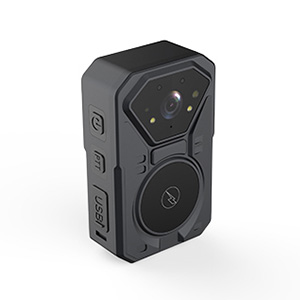
In recent years, the use of police body cameras has become a pivotal tool in modern law enforcement. These small, wearable devices record interactions between officers and the public, providing an objective account of events. The adoption of body cameras aims to enhance transparency, build trust, and ensure accountability in policing.
The Benefits of Police Body Cameras
One of the primary advantages of body cameras is their ability to provide an unbiased record of incidents. Unlike eyewitness accounts, which can be unreliable, video footage offers a clear and factual representation of events. This can be crucial in resolving disputes, investigating complaints, and ensuring fair treatment for all parties involved.
Additionally, body cameras have been shown to reduce the use of force by officers. Knowing they are being recorded often encourages both law enforcement and civilians to behave more responsibly. Studies have indicated that departments using body cameras experience fewer complaints and incidents of excessive force.
Keyword: police body cameras
Challenges and Concerns
Despite their benefits, police body cameras are not without challenges. Privacy concerns are a significant issue, as recordings may capture sensitive or personal moments. Striking a balance between transparency and privacy is essential to ensure the ethical use of this technology.
Another challenge is the cost associated with implementing and maintaining body camera programs. Storage, data management, and equipment upkeep can be expensive, particularly for smaller police departments with limited budgets.
The Future of Body Cameras in Policing
As technology continues to evolve, so too will the capabilities of police body cameras. Advances in artificial intelligence and facial recognition could further enhance their utility, though these developments also raise ethical questions. Policymakers and law enforcement agencies must work together to establish clear guidelines for the use of body cameras, ensuring they serve their intended purpose without infringing on individual rights.
Ultimately, police body cameras represent a significant step forward in promoting accountability and trust between law enforcement and the communities they serve. When used responsibly, they have the potential to transform policing for the better.