
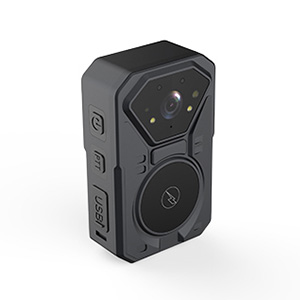
# Police Body Worn Camera: Enhancing Transparency and Accountability in Law Enforcement
## The Rise of Police Body Worn Cameras
In recent years, police body worn cameras (BWCs) have become an increasingly common tool in law enforcement agencies worldwide. These small, wearable devices record interactions between officers and the public, providing an objective account of events as they unfold. The adoption of this technology represents a significant step forward in modern policing, offering benefits for both law enforcement professionals and the communities they serve.
## How Body Worn Cameras Work
Police body cameras are typically small, lightweight devices that attach to an officer’s uniform, usually on the chest or shoulder area. They feature:
– High-definition video recording capabilities
– Audio capture functionality
– Night vision for low-light situations
– Sufficient storage capacity for extended shifts
– Secure data transfer systems
Most models activate automatically during certain police activities (like turning on emergency lights) or can be manually controlled by the officer. The footage is then uploaded to secure servers at the end of each shift.
## Benefits for Law Enforcement and the Public
The implementation of police body worn cameras offers numerous advantages:
### Increased Transparency
BWCs provide an unbiased record of police-public interactions, helping to clarify what actually occurred during incidents. This transparency builds trust between law enforcement and community members.
### Improved Officer Accountability
Knowing they’re being recorded often leads officers to maintain higher professional standards during interactions. Studies have shown reductions in use-of-force incidents and complaints against officers when BWCs are implemented.
### Enhanced Evidence Collection
The cameras capture valuable evidence that can be used in court proceedings. Video footage often provides clearer accounts of events than witness testimony alone.
### Better Training Opportunities
Recorded interactions serve as excellent training materials, allowing departments to review real-life scenarios and improve officer performance.
## Challenges and Considerations
While body worn cameras offer significant benefits, their implementation isn’t without challenges:
Keyword: police body worn camera
### Privacy Concerns
Recording in private residences or sensitive situations raises legitimate privacy issues that departments must address through clear policies.
### Data Management
The massive amount of video data generated requires robust storage solutions and efficient management systems.
### Policy Development
Agencies must establish comprehensive policies regarding when cameras should be activated, how long footage is retained, and who can access recordings.
### Cost Factors
The initial investment in equipment and ongoing expenses for data storage and management can be substantial for some departments.
## The Future of Police Body Cameras
As technology advances, we can expect to see improvements in body worn camera systems, including:
– Longer battery life and better durability
– Integration with other law enforcement technologies
– Advanced features like facial recognition (with appropriate safeguards)
– More sophisticated data analysis capabilities
The continued evolution of this technology promises to further enhance its effectiveness as a tool for transparency and accountability in policing.
## Conclusion
Police body worn cameras represent a significant advancement in law enforcement practices. By providing objective records of police-public interactions, these devices help build trust, improve accountability, and enhance the quality of policing services. While challenges remain in their implementation and use, the benefits they offer make them an increasingly essential tool for modern law enforcement agencies committed to serving their communities with transparency and professionalism.